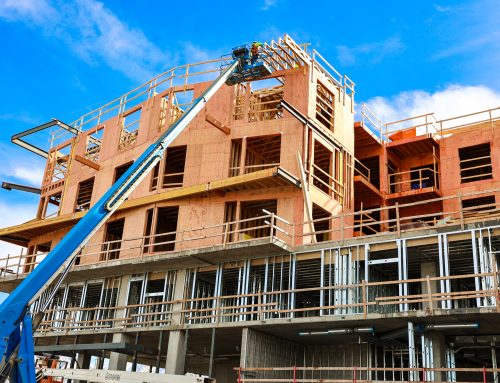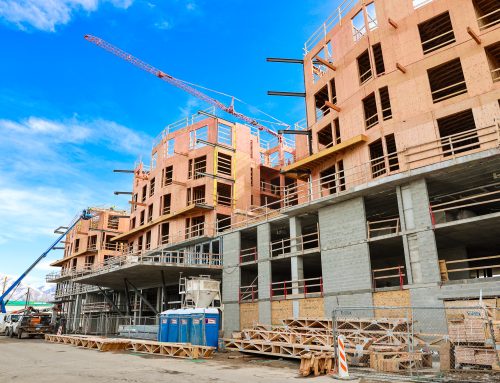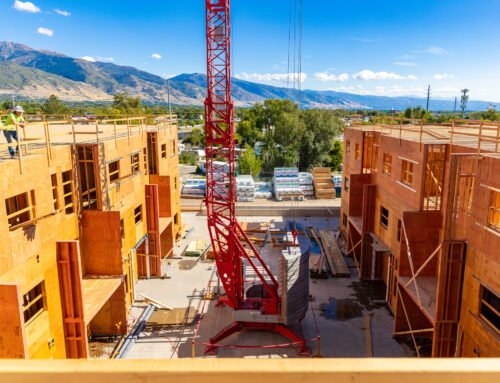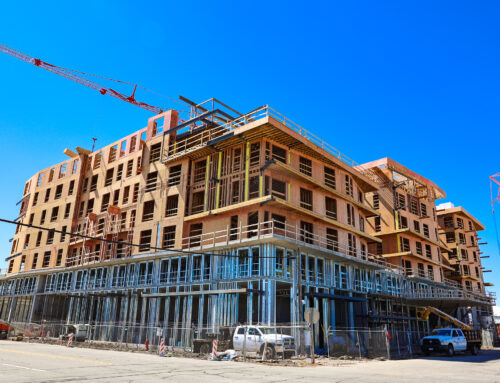
Commercial construction is a world of precision, regulation, and coordination especially when it comes to framing. Unlike residential builds, commercial framing requires a deeper understanding of structural engineering, safety codes, fire ratings, and material performance. For business owners, developers, and general contractors planning a new build or large-scale renovation, understanding the essentials of commercial framing can make the difference between a smooth project and costly delays.
At Chevelle Contractors, commercial framing is one of our core strengths. Our team has built structures across Utah and the Mountain West with a commitment to quality, compliance, and efficiency. In this guide, we break down the foundational elements of commercial framing, local codes, material selection, and project timelines, so you can move into your next commercial build with confidence.
Why Commercial Framing Requires a Different Approach
Commercial framing sets the structural backbone for office buildings, medical facilities, retail spaces, multi-family housing, and industrial environments. Because these structures often carry heavier loads and must meet strict performance standards, the framing process requires:
- Adherence to local and international building codes
- Coordination with architects and engineers
- Careful material selection and procurement
- Skilled installation crews
- Thorough inspection and approval
These factors make the framing phase one of the most critical, and scrutinized, steps in any commercial project.
Understanding Commercial Framing Codes and Compliance
Commercial Codes vs. Residential Codes
Commercial framing must meet stricter structural, seismic, fire-resistance, and occupancy standards than residential construction. Where residential projects typically follow the International Residential Code (IRC), commercial framing falls under the International Building Code (IBC), which includes more robust requirements related to load-bearing systems, occupant safety, and environmental compliance.
Utah-Specific Code Considerations
When framing commercial structures in Utah, contractors must also account for:
- Seismic requirements: Much of Utah lies within an active seismic zone, requiring enhanced lateral bracing, anchor systems, and engineered load paths.
- Snow load considerations: Regions like northern Utah and the Wasatch Front require framing systems that can withstand heavy seasonal snow loads.
- Fire-rated assemblies: Depending on the building type, commercial spaces may require 1-hour or 2-hour fire-rated walls, which directly affects material selection and framing configurations.
- Local permit processes: Each municipality, Salt Lake City, Ogden, Provo, St. George, etc., has unique permitting and inspection requirements that impact the pacing of a project.
Chevelle Contractors takes these regulations seriously. Our team integrates engineering specifications and local code requirements from the earliest planning stages, ensuring that every structure is built to code and fully prepared for inspection.
Key Challenges in Commercial Framing Codes (and How Chevelle Solves Them)
Challenge 1: Navigating Permits and Inspections
Commercial projects typically require multiple permit phases and inspection checkpoints. Any misstep can halt the project.
Chevelle’s Solution: We coordinate closely with inspectors, track permit timelines, and ensure documentation is in order. Our proactive communication prevents delays and keeps the project on schedule.
Challenge 2: Ensuring Structural Integrity in High-Demand Environments
Commercial buildings must support increased occupancy, mechanical loads, and long-term durability.
Chevelle’s Solution: We collaborate with engineers to interpret load calculations correctly, ensuring that every wall, joist, and beam meets structural expectations.
Challenge 3: Code Compliance with Fire Ratings and Accessibility Standards
Fire codes, ADA compliance, and egress requirements directly influence the framing layout.
Chevelle’s Solution: Our team stays current on code updates and integrates compliant framing assemblies from day one.
Choosing the Right Materials for Commercial Framing
Material selection plays a pivotal role in structural strength, cost-efficiency, and long-term performance. The most common commercial framing materials include:
1. Steel Stud Framing
Steel is the go-to material for many commercial applications thanks to its strength, fire resistance, and ability to handle Utah’s climate variations.
Benefits include:
- Non-combustible properties
- Resistance to warping, mold, and pests
- Uniform sizing for predictable load calculations
- Lightweight yet strong structural performance
Steel framing is especially popular in hotels, offices, retail centers, and medical facilities.
2. Engineered Wood Products
While steel is widely used, engineered lumber still plays an important role in many commercial builds, particularly multi-family and mixed-use projects.
Advantages include:
- Cost-efficiency
- Faster installation
- Flexibility in design
- Improved sustainability
Engineered wood like LVL, LSL, and glulam which is designed to deliver improved strength and stability over traditional lumber.
3. Hybrid Framing Systems
Some commercial structures benefit from a combination of steel and engineered wood. Hybrid systems allow contractors to balance cost, weight, and performance.
Chevelle Contractors evaluates each project based on building type, code requirements, engineer specifications, and cost considerations to recommend the best commercial framing materials for your goals.
How Commercial Framing Affects Project Timelines
The framing phase plays a critical role in determining how quickly the rest of the project progresses. Delays at this stage can impact every downstream trade like: electrical, plumbing, HVAC, insulation, and finishes.
Phase 1: Pre-Construction Planning
This critical stage includes blueprint review, structural engineering coordination, project scheduling, and material procurement. For commercial framing, this phase is often longer due to the complexity of load requirements and permit processes.
Phase 2: On-Site Framing Installation
Once framing begins, the speed of progress depends on:
- Crew size and expertise
- Accuracy of material delivery
- Weather conditions
- Structural complexity
- Inspection scheduling
Chevelle Contractors maintains a streamlined workflow, using experienced crews and precise scheduling to keep commercial projects moving efficiently.
Phase 3: Inspection and Approval
Every commercial framing system must pass detailed inspections. Preparing for these checkpoints and correcting issues swiftly helps prevent bottlenecks.
Chevelle’s foremen and project managers closely oversee framing progress to ensure all requirements are met before inspection.
Why Choose Chevelle Contractors for Commercial Framing?
Chevelle Contractors brings industry-leading expertise to commercial framing projects across Utah. Clients choose us because we offer:
- Deep knowledge of Utah building codes and seismic requirements
- Proven experience working with engineers, architects, and inspectors
- Precision craftsmanship in steel and wood framing
- Efficient timelines that keep commercial projects on track
- A commitment to quality, safety, and long-term performance
From retail developments to multi-unit buildings and commercial offices, Chevelle provides the skill and structure needed to build with confidence.
Final Thoughts
Commercial framing is more than assembling walls, it’s about engineering strength, meeting code requirements, choosing the right materials, and staying ahead of the project schedule. By understanding these critical elements, business owners and developers can make informed decisions that reduce risk and ensure a successful build.
Chevelle Contractors stands ready to guide you through every step of the framing process with the expertise, reliability, and craftsmanship your commercial project demands.