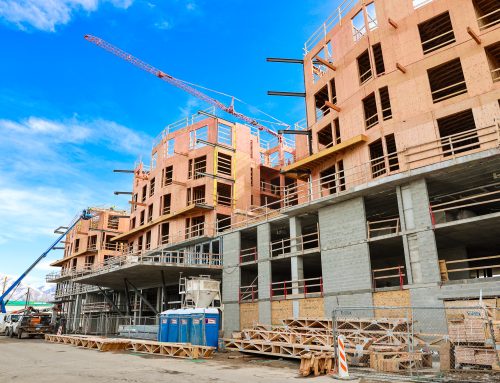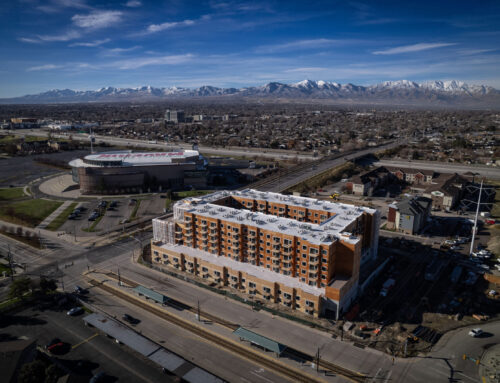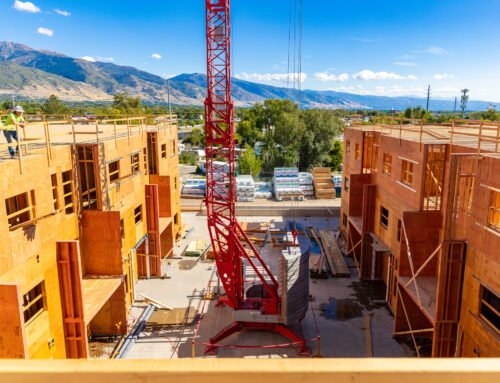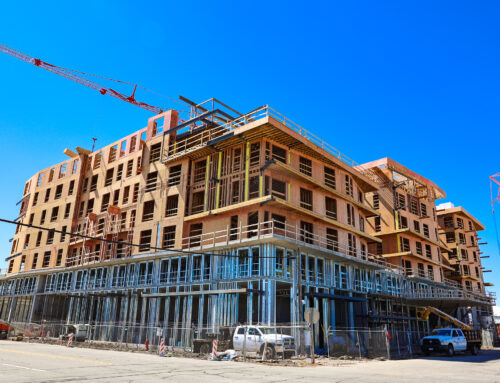
Choosing the right structural framing system is one of the most important decisions in any commercial construction project. Framing impacts not only the strength and safety of a building, but also its design flexibility, construction timeline, long-term durability, and overall cost efficiency. While wood framing remains a popular option for many applications, steel framing has become the preferred choice for a wide range of commercial, industrial, and multi-story projects.
At Chevelle Contractors, steel framing is viewed not as a one-size-fits-all solution, but as a strategic tool. Understanding when to use steel framing, and when it delivers the greatest value, allows owners, developers, and architects to make informed decisions that support performance, longevity, and design intent.
Understanding Steel Framing in Commercial Construction
Steel framing uses cold-formed or structural steel members to create the building’s load-bearing framework. Unlike traditional materials, steel offers uniform strength, precision manufacturing, and consistent performance across varying conditions. These qualities make it particularly well-suited for complex commercial projects where accuracy, durability, and scalability are critical.
Because steel framing is engineered off-site and assembled on-site, it supports tighter tolerances and predictable outcomes which are key advantages in today’s fast-paced construction environment.
When Steel Framing Is the Best Choice
Steel framing excels in specific project types and conditions. Understanding these use cases helps determine when steel is the superior option.
High-Rise and Multi-Story Buildings
Steel framing is ideal for mid-rise and high-rise construction due to its exceptional strength-to-weight ratio. Steel can support taller structures while reducing overall load on foundations. This allows for more stories, thinner structural profiles, and greater design freedom without compromising safety.
For multi-story residential, hospitality, and mixed-use developments, steel framing offers the consistency and reliability required to meet structural demands and building codes.
Seismic Zones and High-Wind Regions
In areas prone to earthquakes or strong winds, steel framing provides superior performance. Steel’s flexibility allows it to absorb and dissipate energy rather than crack or fail under stress. This makes it an excellent choice for projects located in seismic zones or hurricane-prone regions.
Chevelle Contractors understands how to integrate steel framing systems that enhance structural resilience while maintaining compliance with local and national safety standards.
Large Clear Spans and Open Floor Plans
Commercial buildings often require wide, unobstructed spaces for functionality and aesthetics. Steel framing enables large clear spans without the need for excessive columns or load-bearing walls. This is especially beneficial for:
- Warehouses and distribution centers
- Retail and grocery stores
- Office buildings
- Educational and institutional facilities
Steel’s strength allows architects to design open, adaptable spaces that can evolve with tenant or operational needs.
Fire-Resistance Requirements
Fire resistance is one of the most compelling benefits of steel framing. Unlike wood, steel is non-combustible and does not contribute fuel to a fire. This makes it a preferred material for projects with strict fire codes, higher occupancy loads, or elevated risk profiles.
Steel framing can help reduce insurance costs, improve building safety, and provide peace of mind for owners and occupants alike.
Durability and Longevity Advantages
Steel framing offers unmatched durability in commercial construction. It is resistant to many of the issues that affect traditional framing materials, including:
- Rot and moisture damage
- Mold and mildew growth
- Insect infestation
- Warping, shrinking, or splitting
Because steel maintains its shape and strength over time, buildings framed with steel often experience fewer structural issues and lower long-term maintenance costs. This durability directly contributes to improved asset value and lifecycle performance.
Design Flexibility with Steel Framing
One of the most overlooked advantages of steel framing is design flexibility. Steel members can be fabricated to precise specifications, allowing for creative architectural elements and complex building geometries.
Steel framing supports:
- Curved or non-standard wall systems
- Taller ceilings and longer spans
- Easier integration of mechanical, electrical, and plumbing systems
- Future expansions or interior reconfigurations
For commercial clients planning adaptive reuse, phased development, or long-term growth, steel framing offers the flexibility to evolve without major structural modifications.
Environmental Benefits of Steel Framing
Sustainability is an increasingly important factor in construction decisions, and steel framing performs well in this area. Steel is one of the most recycled materials in the world, and most structural steel contains a high percentage of recycled content.
Additional environmental benefits include:
- Reduced material waste due to precision manufacturing
- Longer building lifespan, reducing the need for replacement
- Compatibility with energy-efficient building systems
For projects pursuing sustainability goals or green building certifications, steel framing aligns well with responsible construction practices.
Cost Considerations: Upfront vs. Long-Term Value
While steel framing can sometimes have a higher upfront material cost than wood, it often delivers greater value over the life of the building. Faster installation, fewer delays due to weather, reduced maintenance, and improved durability all contribute to long-term cost efficiency.
Steel framing can also shorten construction schedules, allowing projects to reach occupancy sooner which is an important ROI factor for commercial developments.
At Chevelle Contractors, material selection is approached holistically, evaluating both initial investment and long-term performance to ensure clients receive maximum value.
Chevelle Contractors’ Approach to Steel Framing
Chevelle Contractors brings extensive experience and precision to steel framing projects of all sizes. Their approach is grounded in collaboration, constructability, and execution excellence.
From early planning stages, Chevelle works closely with architects, engineers, and owners to determine whether steel framing is the right solution for the project’s goals. Every recommendation is based on performance requirements, design intent, budget considerations, and schedule demands.
With skilled crews, advanced coordination, and a commitment to quality, Chevelle ensures steel framing systems are installed efficiently, accurately, and to the highest standards.
Making the Right Framing Decision
Choosing between steel and other framing systems is not about preference, it’s about purpose. Steel framing is the superior choice when strength, durability, fire resistance, and design flexibility are critical to project success.
By understanding when to choose steel framing, owners and developers can make informed decisions that enhance safety, performance, and long-term value.
For commercial projects where precision and reliability matter, steel framing, especially when delivered by an experienced contractor like Chevelle, provides a foundation built to last.